At a Glance
- 9 teams
- Moved from sprint-based delivery to continuous feature flow over a single weekend
- Zero
- Downtime or disruption to active development across 166 people in six countries
- 1,938 hours
- Engineering time per month returned to busywork, equivalent to 12 full-time employees
- 9,000+
- Work items migrated without loss of workflow or history
The Client
A privately funded consumer social platform preparing to launch, with an engineering organization of 166 people distributed across six countries. Delivery was organized as nine Scrum teams, each owning a defined feature area of the product.
The Challenge
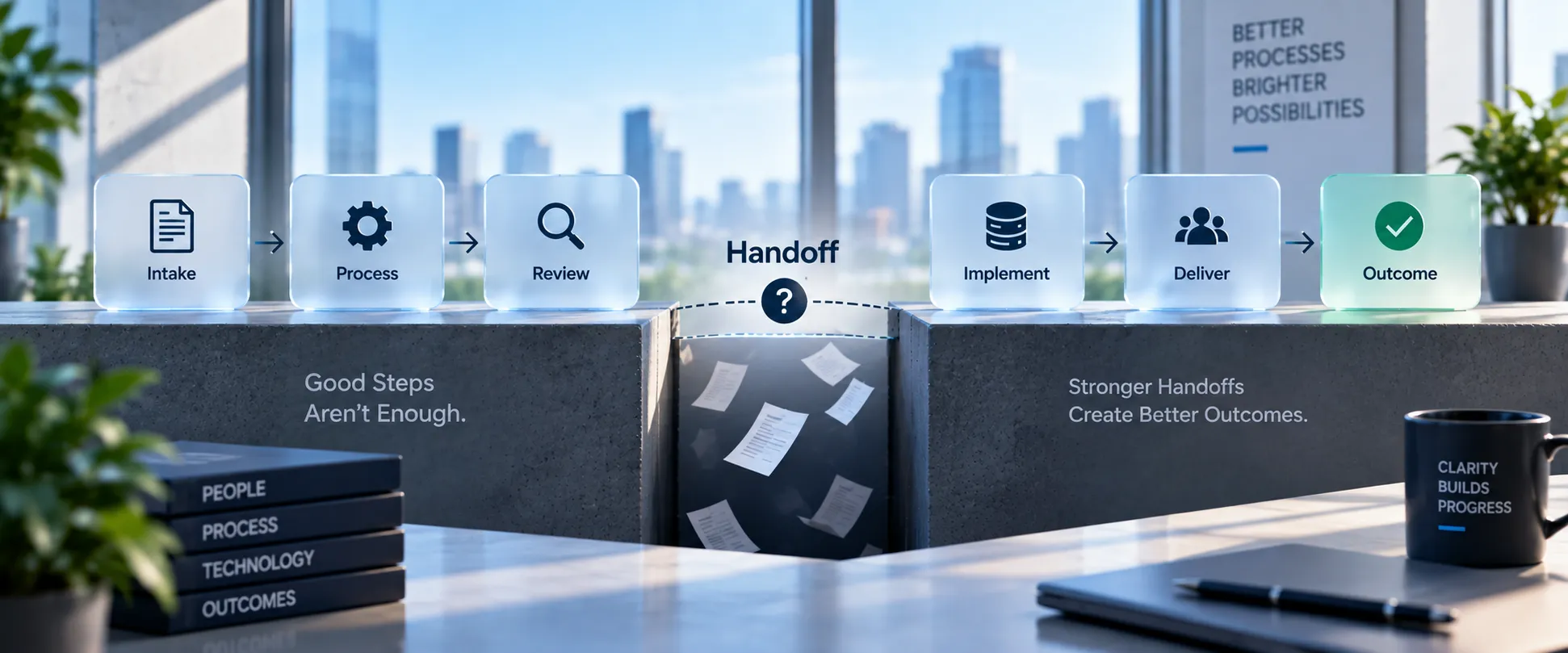
Millions had already been invested in building the platform and the business needed it in market. The product was planned for one major launch rather than a series of incremental public releases, but delivery was still organized around sprints, with all of the planning, demo, and release boundaries that model implies.
Those boundaries were doing no work. There was no incremental release for a sprint to deliver into, so every boundary became a queue point where finished features waited for a date that meant nothing to anyone outside the building. Teams held capacity against sprint commitments rather than against the launch.
The constraint on any redesign was that it could not cost time. Nine active teams and hundreds of people had to keep building while the delivery model changed underneath them.
Sprint boundaries with nothing to release into
The product was driving toward a single launch date, not a public release cadence. Sprint and release cycles were structuring work around edges that had no external meaning, so completed features waited for a boundary instead of flowing onward.
Ceremony consuming build capacity
Sprint planning, scheduled demos, retrospectives, and standups were taking four hours and fifteen minutes per developer per week. Across a build organization of 114 engineers and QA specialists, that was a standing tax on capacity nobody had priced.
Feature-owned teams created idle time
Each team owned a feature area. When that area was blocked, deprioritized, or waiting on a product decision, its developers had nothing they could legitimately pull, even though work existed elsewhere in the organization.
Technical ownership sat on single points of failure
Leads carried architectural ownership while also writing feature code. Any lead's absence became a blocker for their team, and expertise stayed concentrated in whichever feature area that team had always worked in.
What We Did
Replaced nine backlogs with one
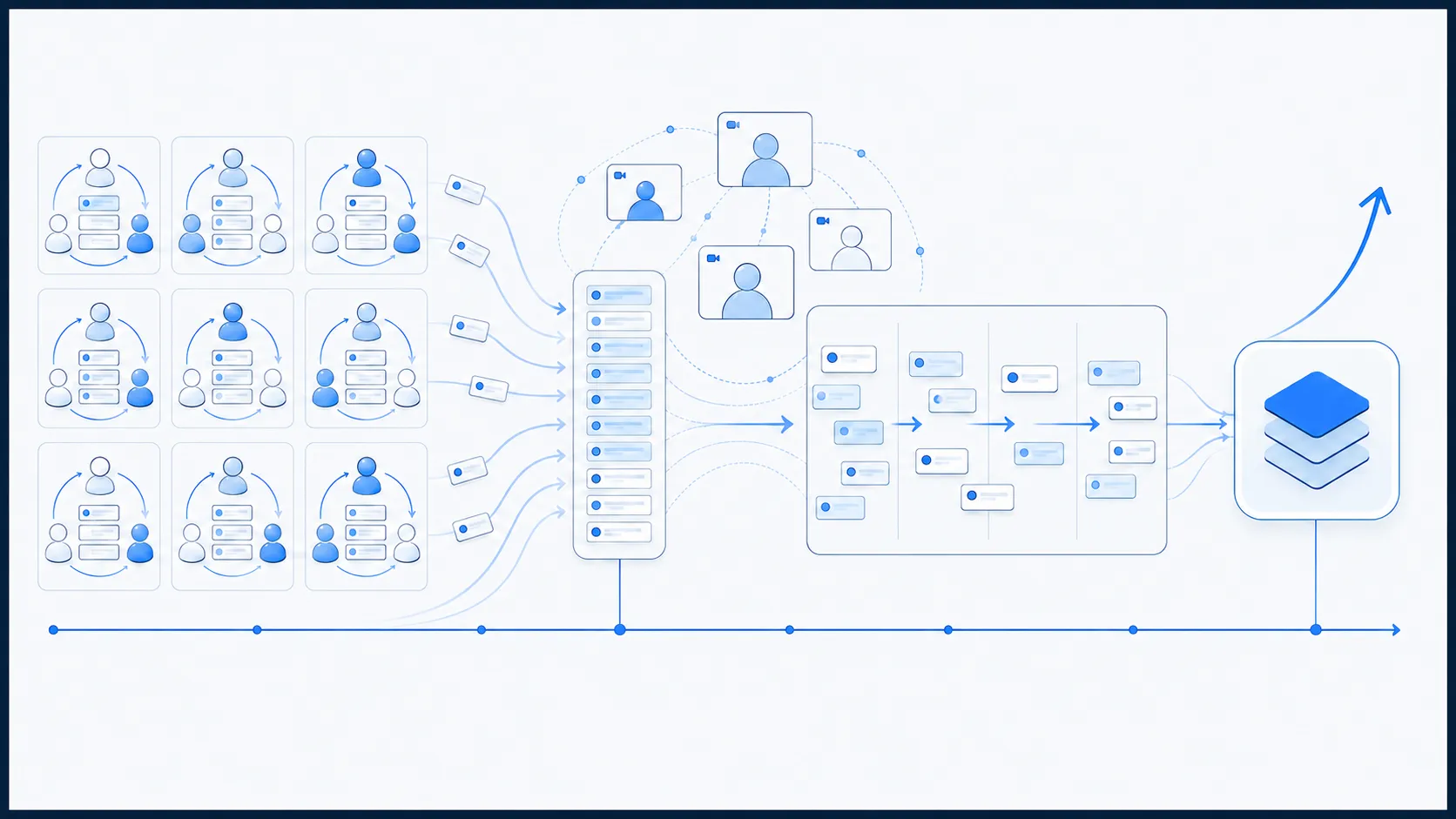
A single prioritized overflow backlog was created for the entire engineering organization, groomed against a documented standard. Teams stopped owning features. Any team could pull any story, which meant work moved to whoever was free rather than waiting for whoever owned it.
Removed the sprint boundary entirely
Sprints were eliminated in favour of continuous feature flow. Scheduled planning and demos were dropped, with demos held ad hoc when an increment was genuinely ready rather than when the calendar said so. Standups moved to the start of the working day in the team's own time zone.
Moved leads out of feature code
Leads stopped writing feature code and took on blocker resolution, code review, quality standards, and backlog scoping with product. Technical ownership was restructured as a group rather than a set of individuals, so no single absence could stall delivery.
Rewrote every role before changing anything
All ten affected roles received a written definition of exactly what changed for them, from product manager to frontend developer, alongside a week-in-the-life description. Nobody had to infer their new responsibilities.
Rebuilt the tooling to match the process
Jira boards, views, forms, and workflows were rebuilt around continuous flow, and product and technical documentation was standardized before cutover rather than after it.
Communicated first, then held a war room
The change was announced to the whole company at an all-hands before anything moved, and an open-bridge war room ran through the transition so questions and blockers were resolved live instead of accumulating.
Migrated over a single weekend
Nine teams and more than 10,000 work items were moved across one weekend. All 166 people returned to an uninterrupted workflow on Monday, with no development downtime and no loss of history.
The Results
All nine teams shifted from sprint-based delivery to continuous feature flow with zero disruption to active development. Features stopped waiting for cycle boundaries and moved when they were ready, which was the entire point: with one launch date to serve, every day a finished feature spent queued was a day of invested capital producing nothing.
Removing scheduled ceremony returned four hours and fifteen minutes per developer per week, or seventeen hours per month each. Across the build organization that totalled 1,938 hours per month — 612 from backend, 527 from frontend web, 119 from mobile, and 680 from QA. The equivalent of twelve additional full-time employees, recovered without a single new hire, on a product where time to market was the binding constraint.
The unified backlog removed idle time as a structural condition rather than a scheduling accident. Restructuring leads into a collective ownership group removed the single points of failure, and cross-team pulling spread product knowledge across feature boundaries instead of concentrating it. Team composition was deliberately preserved throughout, so the expertise and working relationships already built survived a change that touched every role in the organization.
Start the conversation